
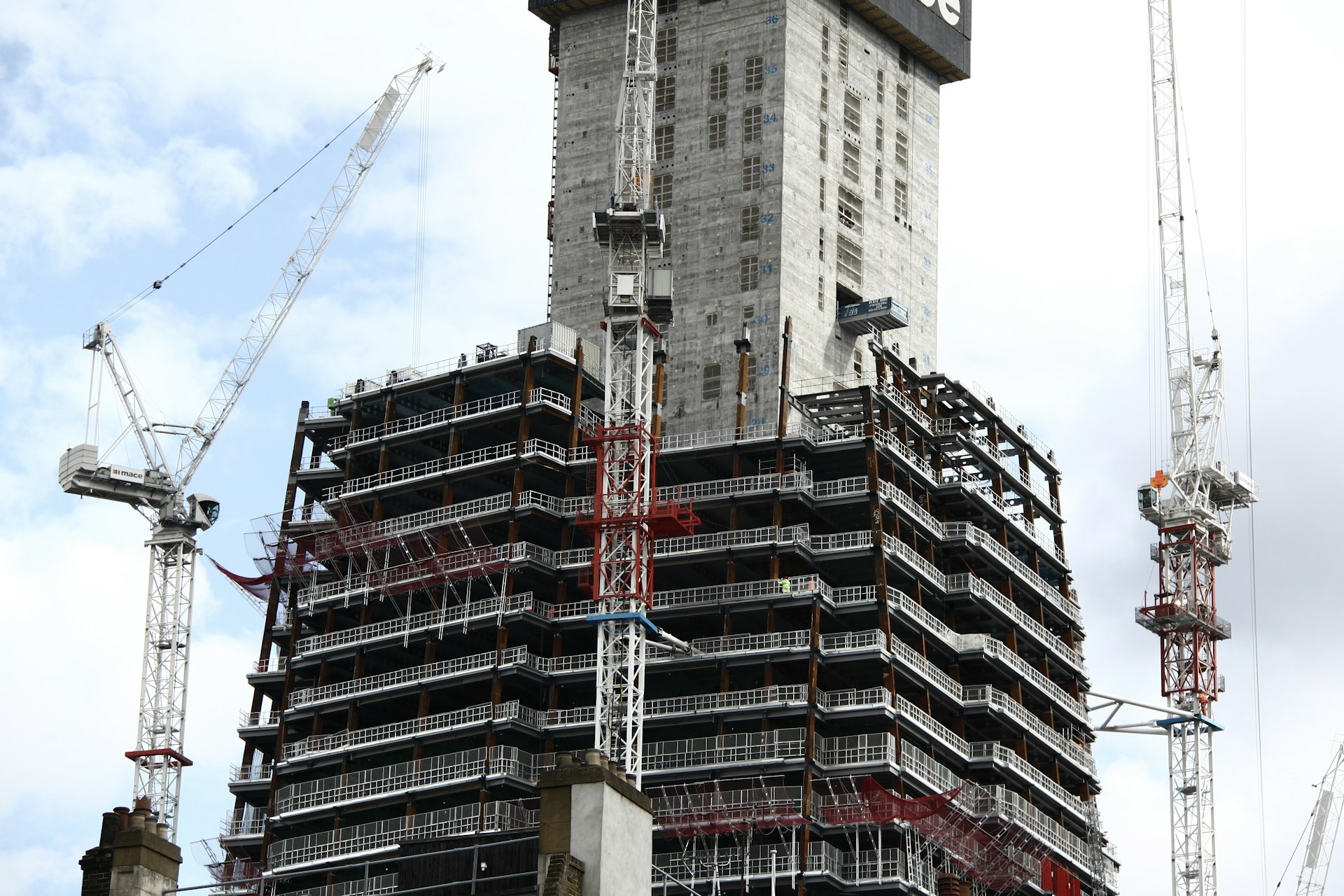
Timber has evolved from traditional low-rise structures to modern high-rise applications. Once reserved for houses or mid-rise buildings, advances in engineered wood have allowed it to compete with steel and concrete. Its combination of strength, sustainability, and aesthetic appeal makes timber an increasingly popular choice for urban construction. For more information on timber projects and developments, visit www.regionalimmobilien24.de. Yet building tall with wood presents both opportunities and challenges that architects and engineers must carefully navigate.
Environmental Advantages of Timber
 One of timber’s most compelling benefits is its sustainability. Wood is a renewable resource, and responsibly sourced timber can significantly reduce the carbon footprint of construction. Engineered timber, such as cross-laminated timber (CLT), stores carbon throughout the building’s life, offsetting emissions. Compared to concrete and steel, timber production consumes less energy. For developers aiming to create eco-friendly high-rises, timber provides a unique opportunity to meet environmental goals while delivering modern architecture.
Speed of Construction
High-rise projects using timber can benefit from faster construction timelines. Prefabricated panels and modules can be manufactured off-site and assembled quickly on-site. This reduces exposure to weather delays and minimizes the time required for scaffolding and temporary supports. Faster assembly also reduces labor costs and overall project timelines. Developers and construction managers often find that timber’s speed of construction is a major advantage in urban environments with tight schedules.
Strength and Structural Integrity
Modern engineered timber products are surprisingly strong and durable. CLT panels, laminated veneer lumber (LVL), and glulam beams provide load-bearing capacity suitable for multi-story buildings. When designed properly, timber high-rises can meet stringent structural requirements and withstand significant forces, including wind and seismic loads. However, careful engineering is essential to ensure that connections, joints, and panels perform as expected under dynamic conditions.
Fire Safety Considerations
Fire safety remains one of the biggest challenges of timber high-rise construction. Unlike steel, timber can burn. Yet engineered timber behaves differently from raw wood. Large timber members char on the outside while maintaining structural strength inside. Modern fire-resistant coatings, sprinkler systems, and compartmentalization strategies further enhance safety. Regulatory approval can still be complex, but advances in fire engineering are making tall timber buildings more feasible and secure than ever before.
Cost Considerations

Timber construction can be cost-competitive but varies depending on design, sourcing, and prefabrication strategies. Prefabricated timber panels reduce onsite labor costs and shorten schedules, potentially saving money. However, engineered wood products and fire protection measures can add expense. Developers must balance upfront costs against long-term benefits such as sustainability, speed, and reduced environmental impact. Cost planning is crucial to ensure that timber high-rises remain financially viable.
Acoustic and Vibration Performance
High-rise buildings require effective acoustic insulation and vibration control. Timber, being lighter than concrete or steel, can transmit sound and vibrations differently. Solutions include layering timber panels with insulation materials, adding floating floors, and using dampening technologies. These approaches ensure occupant comfort without compromising the benefits of timber. Engineers must plan carefully, as acoustic and vibration challenges are unique to timber high-rise construction.
The combination of sustainability, speed, and aesthetic appeal positions timber as a material of the future for high-rise construction. Cities around the world are beginning to explore timber skyscrapers and multi-story residential projects. Ongoing research in structural engineering, fire safety, and material science continues to expand the limits of what timber can achieve. While challenges remain, careful design and engineering ensure that timber high-rises can be both safe and innovative, offering an environmentally responsible alternative to traditional materials.…