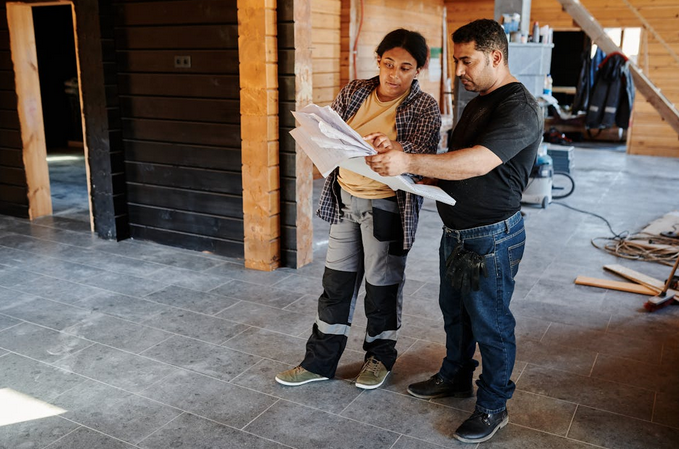
Expanding an existing building may seem like an exciting move, but it comes with several important considerations that require thought before construction begins. Whether you are adding more rooms to a home, extending office space, or building an additional floor, ignoring the foundational elements of planning can lead to major problems later on. To guide you in this process, it’s useful to consult reliable resources such as Homify.de, which provides insights on preparing for structural evaluations. Below, we will discuss key factors that are critical in determining the success of any building expansion.
Assessment of Structural Stability
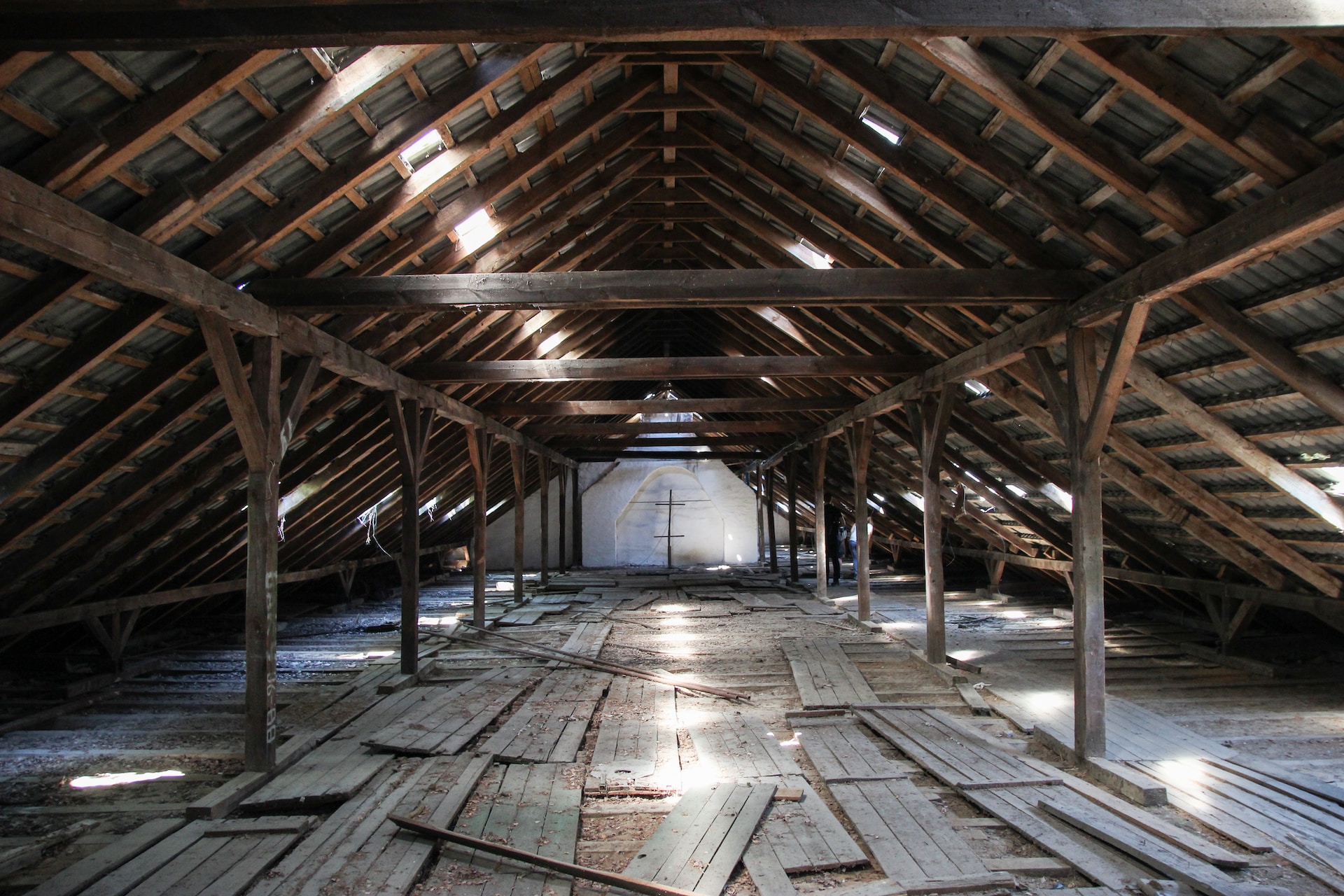
The first factor you need to consider is the existing structure’s strength. Before adding new walls, floors, or extensions, a professional engineer should evaluate whether the current building can handle the additional load. Expansions can strain foundations and supporting walls, and overlooking this step can lead to cracks, sagging, or worse, long-term safety risks. For example, adding a second story to a house originally designed for one level may require reinforcement of beams and columns. A structural check provides clarity on what modifications are necessary.
Budget Planning and Hidden Costs

Budgeting is more than setting aside money for construction materials and labor. Expansions often come with extra expenses such as permits, utility adjustments, demolition work, or upgrading old electrical systems. Many property owners underestimate these costs, leading to project delays or unfinished sections. It’s wise to allocate some of the budget for contingencies since unexpected findings—like weak foundations or outdated plumbing—can surface during construction. A realistic financial plan helps avoid frustrating situations that stall your project halfway.
Legal Requirements and Permits
Every locality has building codes and zoning rules that regulate expansions. These may cover limits on building height, proximity to property lines, or material usage. Ignoring these rules may result in hefty fines, forced demolition, or delayed approvals. Before starting, check with local authorities to confirm what permissions you need. Sometimes, your expansion may also require a review by a structural engineer or city planner. Getting permits early in the process prevents legal battles later and assures that your project stays compliant.
Impact on Utilities and Infrastructure

Expanding a building isn’t just about adding square footage—it also impacts your water, electricity, and heating systems. For instance, a larger space might overload your electrical wiring or water supply. Adding bathrooms could require adjustments in drainage and plumbing. If you’re extending an office, your HVAC system may need upgrading to handle increased capacity. Planning for these upgrades at the beginning saves time and money compared to retrofitting systems after the expansion. Thinking ahead about infrastructure also improves comfort and functionality for occupants.
Aesthetic and Functional Harmony
Blending the new addition with the existing design is one of the most overlooked aspects of building expansion. A mismatched extension can make the property look awkward and may even reduce resale value. Beyond looks, functionality also matters—your new space should complement how the existing areas are used. For example, extending a kitchen should consider access to dining areas, storage flow, and natural lighting. A thoughtful design balances aesthetics with practicality, creating a cohesive space rather than forced.
Expanding an existing building involves more than just adding new walls or floors. Careful evaluation of structural stability, realistic budgeting, adherence to legal requirements, planning for utilities, and maintaining aesthetic and functional harmony are all central to the process. Addressing these factors before breaking ground helps you avoid expensive mistakes, strengthen safety, and achieve a result that adds lasting value to your property. Your expansion can become a successful and rewarding investment with proper planning and professional input.